
Current FEMA 50% Rule in Southwest Florida | Candid Appraisals
July 6, 2026
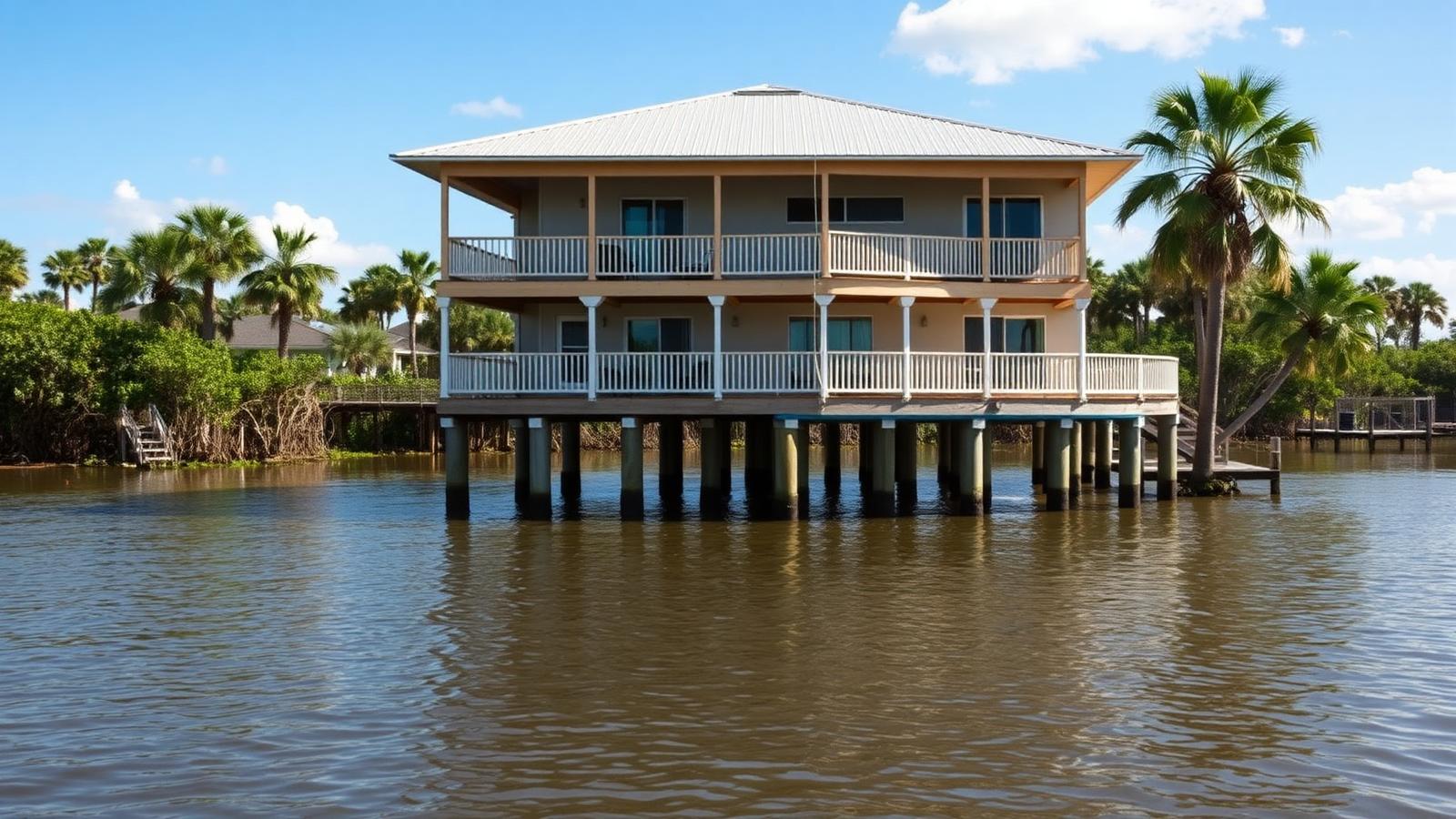
Current FEMA 50% Rule in Southwest Florida
The FEMA 50% Rule is one of the most important floodplain rules affecting property owners in Southwest Florida. It applies to many homes located in designated flood hazard areas, especially older homes in coastal and low-elevation markets such as Naples, Marco Island, Bonita Springs, Fort Myers, Fort Myers Beach, Cape Coral, Sanibel, Punta Gorda, and surrounding areas. The rule becomes relevant when a property owner repairs, renovates, reconstructs, adds to, or improves a structure located in a regulated floodplain. It is also commonly triggered after storm damage, including flood, wind, surge, fire, or other damage.
In basic terms, the rule says that when the cost of repairs or improvements equals or exceeds 50% of the market value of the structure, the structure is generally considered substantially damaged or substantially improved. Once that threshold is reached, the building may be required to comply with current floodplain management regulations. FEMA’s guidance states that when the cost of a project exceeds 50% of the building’s value, the project is considered a substantial improvement and the floodplain rules for new construction apply.
For Southwest Florida property owners, the most important detail is that the calculation is typically based on the value of the structure only, not the total property value including land. This matters because many coastal and waterfront properties in Southwest Florida have substantial land value. A property may sell for a high price because of the lot, location, water frontage, or redevelopment potential, while the existing structure may represent a much smaller portion of the total property value. That difference can affect how much repair or renovation work is allowed before floodplain compliance is required.
What Is the FEMA 50% Rule?
The FEMA 50% Rule is part of the floodplain management framework used by communities participating in the National Flood Insurance Program, commonly referred to as the NFIP. FEMA establishes the general floodplain management standards, but the rule is enforced locally by cities and counties through building permits, floodplain ordinances, and substantial improvement or substantial damage reviews. In practice, a property owner usually deals with the local building department or floodplain administrator rather than FEMA directly.
The rule applies when the cost to improve or repair a structure equals or exceeds 50% of the market value of that structure before the improvement or damage occurred. Collier County defines substantial improvement as reconstruction, rehabilitation, addition, or other improvement where the cost equals or exceeds 50% of the market value of the structure before the start of construction. Collier County also states that the term includes structures that have incurred substantial damage, regardless of the actual repair work performed.
The rule is not limited to hurricane damage. It can apply to voluntary renovation projects, additions, structural repairs, remodeling, reconstruction, and other building work. It can also apply after storm damage when the cost to restore the structure to its pre-damage condition reaches the 50% threshold. Because Southwest Florida has many homes in flood zones, the rule affects permitting, renovation feasibility, insurance decisions, buyer due diligence, and appraisal assignments.
Substantial Improvement vs. Substantial Damage
The FEMA 50% Rule usually appears in two different situations: substantial improvement and substantial damage. The two terms are related, but they are not identical.
Substantial improvement generally refers to voluntary work performed by the owner. This may include remodeling, additions, reconstruction, rehabilitation, or structural alteration. If the cost of the work equals or exceeds 50% of the structure’s market value before the work starts, the project is treated as a substantial improvement. The City of Naples defines substantial improvement as work where the cost equals or exceeds 50% of the market value of the structure before the start of construction. Naples also states that if a building is substantially damaged or substantially improved, it must be brought into compliance with the city’s flood damage prevention regulations, including elevation to or above the base flood elevation.
Substantial damage generally refers to damage from a storm, flood, fire, wind event, or other cause. If the cost to repair the damage equals or exceeds 50% of the pre-damage market value of the structure, the building may be classified as substantially damaged. Collier County states that if the cost of repairs exceeds 50% of the market value of the pre-damaged structure, the structure must come into compliance with the Florida Building Code and the county’s flood damage prevention ordinance, including current elevation requirements.
The practical effect can be the same in either case. Once the 50% threshold is reached, the owner may not be able to simply repair or remodel the structure as it currently exists. The building may need to meet current floodplain standards.
Why the Rule Matters in Southwest Florida
The FEMA 50% Rule is especially relevant in Southwest Florida because the region has many properties located in mapped flood hazard areas. Coastal, canal-front, bay-front, and low-elevation neighborhoods often contain older homes built before current floodplain construction standards. Many of these structures are still legally occupied and maintained, but they may be considered nonconforming under current floodplain regulations. When an owner proposes a major renovation or when the home is damaged, the 50% Rule can become a controlling factor.
Cape Coral is a clear example. The city states that any repairs, substantial improvements, or retrofit work to a structure located in a regulated flood zone require proper permits. Cape Coral also notes that understanding elevation is important when evaluating flood risk and that elevation certificates and other elevation data are available through the city’s floodplain management platform.
This matters for buyers as much as owners. A buyer may look at an older home and assume it is a standard remodel project. However, if the home is below the required flood elevation and the proposed renovation exceeds 50% of the structure value, the project may require full floodplain compliance. That can change the scope, cost, and feasibility of the purchase. For that reason, the FEMA 50% Rule should be reviewed before closing on a flood-zone property where substantial repairs or improvements are planned.
The Calculation: Structure Value vs. Repair or Improvement Cost
The basic calculation is straightforward:
Component Explanation Structure Value The accepted market value of the building or structure, typically excluding land value 50% Threshold One-half of the accepted structure value Repair or Improvement Cost The cost of the proposed repairs, improvements, additions, reconstruction, or rehabilitation Result If the cost equals or exceeds 50% of the structure value, substantial improvement or substantial damage rules may apply
For example, if a structure has an accepted market value of $500,000, the 50% threshold would be $250,000. If the proposed renovation or repair cost is $240,000, the project may fall below the threshold, assuming the jurisdiction accepts the submitted cost estimate and there are no other local cumulative-cost rules that apply. If the proposed cost is $250,000 or more, the project may be classified as a substantial improvement or substantial damage repair.
The structure value is not the same as the full property value. Punta Gorda states that a building or structure where proposed improvements or repairs equal or exceed 50% of the market value of the structure minus land value is considered substantially improved or substantially damaged and must be brought into full compliance with local floodplain management regulations and the Florida Building Code.
That structure-only concept is central in Southwest Florida. A canal-front, gulf-access, beach-area, or bay-front property may have a high total sale price because of land value. The existing dwelling may contribute less to the total value than the site. For owners planning major renovations, this can reduce the available improvement threshold.
What Costs Are Included?
One of the most common mistakes is assuming that only visible structural repairs count. In many jurisdictions, the cost analysis includes all work necessary to repair or improve the structure. That may include labor, materials, demolition, framing, drywall, roofing, windows, doors, electrical, plumbing, HVAC, cabinetry, finishes, and other building components. Local governments may require detailed contractor estimates, owner affidavits, repair scopes, and supporting documentation.
Lee County states that when a project is close to the 50% threshold, an owner may submit a detailed contractor-signed cost estimate and affidavit confirming that the estimate includes all damages or all improvements to the structure, not only structural items.
This is why a general verbal estimate is not enough for many permit reviews. The cost estimate should reflect the actual work being performed. If the project includes interior demolition, wall repair, electrical replacement, plumbing work, HVAC replacement, cabinets, flooring, windows, doors, and roof repairs, those items may need to be listed clearly. Understating the cost can create permitting problems later. Overstating the cost can also hurt the owner if it pushes the project over the 50% threshold unnecessarily.
What Happens If the Project Exceeds 50%?
If the repair or improvement cost equals or exceeds 50% of the accepted structure value, the structure is generally required to comply with current floodplain management requirements. Depending on the property, this may include:
Elevating the structure to the required flood elevation Reconstructing portions of the building to current flood standards Relocating mechanical, electrical, and plumbing systems Limiting enclosed areas below required elevation Installing compliant flood openings Using flood-resistant materials Removing or modifying noncompliant lower-level living areas Meeting current Florida Building Code and local floodplain ordinance requirements
This does not always mean the structure must be demolished. However, in some cases, especially with older slab-on-grade homes below required elevation, elevation or reconstruction may not be financially practical. In those situations, the property may be more likely to sell for land value or redevelopment value rather than renovation value.
Fort Myers Beach states that FEMA’s 50% Rule prohibits repairs and improvements on damaged homes exceeding 50% of market value unless the entire residential structure is brought up to the current floodplain management regulations.
Why a FEMA 50% Appraisal May Be Needed
A FEMA 50% appraisal may be needed when the property owner, contractor, or local jurisdiction needs support for the market value of the structure. The appraisal is commonly used to help establish the improvement value for a substantial improvement or substantial damage review. This is different from a typical mortgage appraisal because the focus may be on the structure value rather than the full fee simple value of the property including land.
For example, a waterfront property may have a total market value of $1,500,000, but the existing structure may contribute only $450,000 to that total value. If the local government accepts $450,000 as the structure value, the 50% threshold would be $225,000. If the owner submits a renovation scope above that amount, the project may trigger substantial improvement review. If the owner believes the structure value is higher, a properly developed appraisal may help support that position.
The appraisal should be prepared for the correct intended use. In many cases, the intended use is not mortgage lending. The intended use is to assist with a floodplain management, building permit, substantial improvement, or substantial damage determination. The effective date should also be appropriate. For storm damage, the relevant date may be before the damage occurred. For voluntary improvement, the relevant value may be before the start of construction.
Local Enforcement in Collier County, Naples, Lee County, Cape Coral, and Punta Gorda
Although FEMA provides the general framework, local governments enforce the rule. That means property owners should confirm the specific requirements with the applicable jurisdiction.
Jurisdiction Local FEMA 50% Rule Relevance Collier County Applies substantial improvement and substantial damage review through county floodplain management procedures City of Naples Requires substantially damaged or substantially improved structures to comply with flood damage prevention regulations Lee County Uses substantial improvement/substantial damage review and may require contractor cost documentation Cape Coral Requires permits for repairs and substantial improvements in regulated flood zones Fort Myers Beach Applies FEMA 50% Rule guidance to damaged homes and improvement projects Punta Gorda Defines the rule based on structure value minus land value and requires floodplain compliance when the threshold is met
Because requirements may vary by jurisdiction, owners should not rely on general internet summaries alone. A property in unincorporated Collier County may follow a different process than a property inside the City of Naples. A property in Cape Coral may have different documentation requirements than a property in Fort Myers Beach. The rule’s foundation is consistent, but the permit process is local.
Buyer Due Diligence: Questions to Ask Before Closing
Buyers considering older homes in Southwest Florida flood zones should ask FEMA 50% Rule questions before closing. This is especially important if the buyer plans to renovate, repair, expand, or substantially remodel the home after purchase.
Important questions include:
Is the structure located in a FEMA Special Flood Hazard Area? What is the applicable flood zone? Is an elevation certificate available? What is the lowest floor elevation? Is the structure below the required flood elevation? Has the property received a substantial damage determination? Are there open permits or prior storm repair permits? Has the local jurisdiction reviewed prior improvements? What is the estimated structure-only value? What is the estimated cost of the planned renovation or repair?
These questions can affect the buyer’s renovation budget and risk tolerance. A property may still be a viable purchase, but the buyer should understand whether the planned scope of work can be permitted without triggering full floodplain compliance.
Seller Considerations
Sellers should also understand the FEMA 50% Rule because it can affect marketability. If a home is older, located in a flood zone, below current elevation standards, or has known storm damage, buyers may ask for FEMA 50% documentation. They may ask for an elevation certificate, prior permit records, repair documentation, substantial damage correspondence, or an appraisal supporting the structure value.
A seller does not need to solve every issue before listing, but incomplete information can create uncertainty during contract negotiations. If the property is likely to be purchased for renovation or redevelopment, the buyer may discount the property based on floodplain compliance risk. If the seller has documentation showing the structure value, elevation status, and prior permit history, the buyer has a clearer basis for analysis.
Appraisal Relevance in Southwest Florida
For appraisers, the FEMA 50% Rule can be relevant to highest and best use, marketability, functional utility, repair feasibility, and contributory value of existing improvements. In some assignments, the question is not only what the property is worth today, but whether the existing improvement has continued economic utility under current floodplain constraints.
Older homes in high-value land markets may have limited contributory value if the market views the property primarily as a redevelopment site. In other cases, the existing structure may have continued contributory value if it is adequately elevated, code-compliant, renovated within allowable thresholds, or otherwise supportable in the market. The appraiser must understand the assignment problem and avoid assuming that all older flood-zone structures are affected the same way.
A FEMA 50% appraisal or structure-value appraisal should be clearly scoped. The intended use, intended user, effective date, property rights, value definition, and treatment of land value should be identified. The valuation problem is narrower than a standard whole-property market value assignment. The report should address the structure value in a manner that is relevant to the local floodplain review process.
When to Contact Candid Appraisals
Candid Appraisals provides residential appraisal services in Naples, Collier County, Marco Island, Lee County, Cape Coral, Bonita Springs, Fort Myers, and surrounding Southwest Florida markets. A FEMA 50% Rule-related appraisal may be appropriate when a property owner, buyer, contractor, attorney, insurance professional, or local jurisdiction needs support for the value of the structure in connection with substantial improvement or substantial damage review.
Common situations include:
Planned renovation of a flood-zone property Storm-damaged property requiring repair permits Disagreement with a substantial damage determination Need to separate land value from structure value Buyer due diligence before purchasing an older flood-zone home Contractor estimate approaching the 50% threshold Permit review requiring valuation support
A structure-value appraisal does not replace the local building department’s authority. The local jurisdiction makes the floodplain determination. However, a properly developed appraisal can provide valuation support for the structure component, which may be part of the review process.
Conclusion
The current FEMA 50% Rule in Southwest Florida is a permitting and floodplain compliance issue that can affect renovation plans, storm repairs, buyer due diligence, insurance decisions, and appraisal assignments. The rule generally applies when the cost to repair or improve a structure equals or exceeds 50% of the market value of the structure, excluding land. Once the threshold is reached, the structure may need to be brought into compliance with current floodplain management regulations.
For property owners and buyers, the main issue is not just whether a home can be repaired or remodeled. The issue is whether the proposed work triggers substantial improvement or substantial damage requirements. Before starting work or purchasing a flood-zone property, confirm the flood zone, elevation status, structure value, repair scope, and local jurisdiction requirements. In many Southwest Florida cases, a FEMA 50% appraisal can help support the structure value used in that analysis.
FAQs What is the FEMA 50% Rule in Southwest Florida?
The FEMA 50% Rule applies when the cost to repair, renovate, reconstruct, or improve a structure equals or exceeds 50% of the market value of the structure. If the threshold is reached, the structure may be required to comply with current floodplain management rules.
Does the FEMA 50% Rule use the full property value?
No. The rule generally uses the value of the structure, excluding land. This is important in Southwest Florida because many coastal and waterfront properties have substantial land value.
What is a FEMA 50% appraisal?
A FEMA 50% appraisal is an appraisal used to support the market value of the structure for substantial improvement or substantial damage review. It is often used when the owner needs to establish or support the structure value separate from the land value.
Can a property owner challenge a substantial damage determination?
In many cases, yes. Owners may be able to submit supporting documentation such as an appraisal, contractor estimate, repair scope, damage photos, and other records. The process depends on the local jurisdiction.
Who enforces the FEMA 50% Rule?
The rule is based on FEMA and NFIP floodplain standards, but it is enforced by local cities and counties through building permit and floodplain management procedures.