
FEMA Appraisals: What You Need to Know About the 50% Rule
January 29, 2018
FEMA Appraisals – What You Need to Know About the 50% Rule
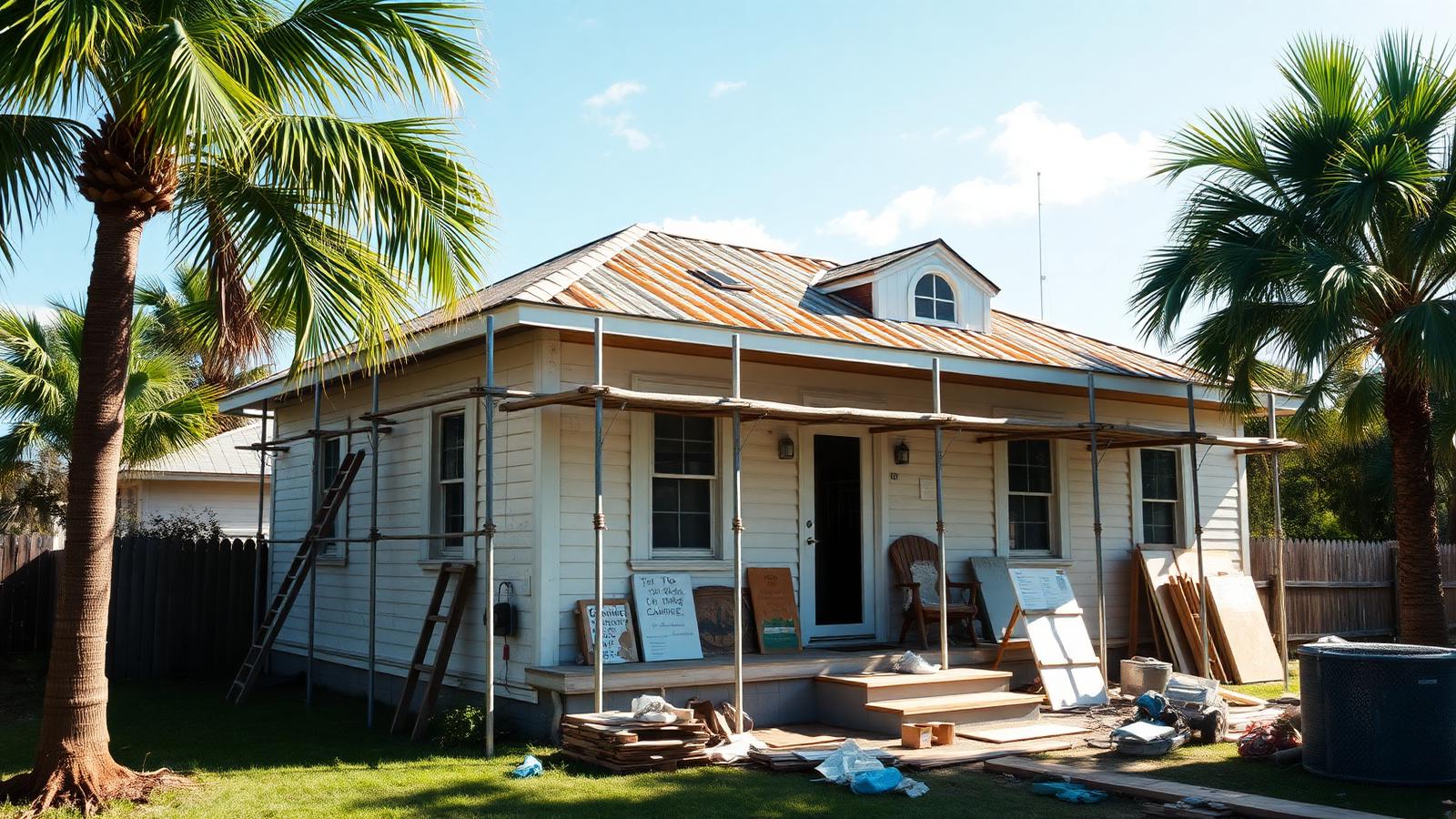
Flooding… what a nightmare. Damaged flooring, moldy drywall, soaked furniture, and a long road back to "normal." But for many Florida homeowners, the appraisal question that catches them by surprise is the FEMA 50% rule.
What the 50% rule actually says
If the cost to repair damage (or the cost of an improvement) exceeds 50% of the structure's market value before the damage, the entire structure must be brought into compliance with current floodplain ordinances. In practical terms: lift the house, retrofit it, or in some cases tear down and rebuild.
That single threshold can mean the difference between a $40,000 repair and a $400,000 elevation project.
Why an independent appraisal is critical
Local floodplain administrators rely on a credible market value figure to apply the rule. The number your county pulls from the tax roll is almost never an accurate market value for this purpose — it's often lower, which makes your 50% ceiling artificially low.
A proper pre-damage / pre-improvement appraisal from a state-certified appraiser:
- Establishes defensible market value, separated from land value
- Documents the condition and quality at the time of the report
- Gives you (and your contractor) a real ceiling to plan against
Common scenarios
- Hurricane damage with disputed county valuation — we often get called in when the homeowner's permit application is challenged
- Pre-renovation planning — knowing your 50% number before you scope the project
- Insurance ACV disputes — companion analysis to support an Increased Cost of Compliance claim
If you're facing a 50%-rule decision, don't guess. Request a FEMA appraisal and we'll get you a defensible number.